When Does Flag Football Season Start? Key Dates by Season & Region

Sierra Swigert Last updated: February 23, 2026
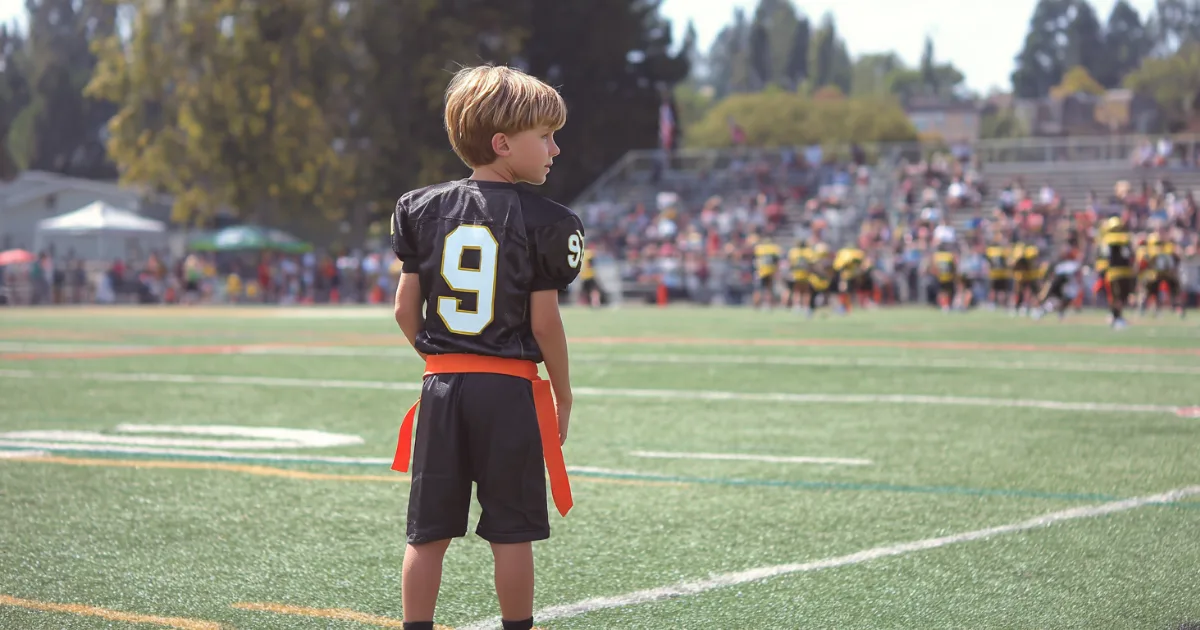
Many parents and youth sports club volunteers think of flag football as a fall sport. In reality, communities often offer the non-contact activity across multiple seasons, with registration opening at different times throughout the year.
Start dates can vary widely based on location, weather, age group, and who’s running the program. That flexibility is helpful, but it can also make it harder to know when play typically begins — especially for families managing busy schedules and volunteers planning ahead.
Whether you’re starting your own youth flag football league or simply looking to understand what to expect in your area, this guide breaks down when flag football seasons usually begin, why dates differ from place to place, and how to plan with fewer last-minute surprises.

When flag football season typically begins
Most leagues follow two main season windows, though exact start dates can vary even within those ranges. Spring seasons typically run from March through early summer, while fall seasons align more closely with traditional youth and school-based football, starting as early as August and running through November.
Some organizations also offer summer leagues, which are usually shorter. For kids, these often take the form of summer camps. Adult leagues tend to be more flexible and recreational, making them easier to fit around travel and vacation schedules.
Winter leagues are also available in some areas, typically held indoors in gyms or covered turf facilities.
Registration usually opens six to 12 weeks before the first game. In many youth leagues, spots can fill quickly, so registration may close well before the season officially begins.
Factors that impact your local season start date
Flag football organizers juggle a lot of moving parts that influence when a season can begin and end. Weather, field access, age divisions, and volunteer availability all play a role in shaping local schedules.
For volunteer-run leagues, these factors often overlap, which means season timing is just as much about coordination and capacity as it is about weather or field access. Because every community operates a little differently, start dates can look very different from one league to the next — even within the same region.
Weather and field availability
In colder regions, organizers often avoid early spring or late fall when the weather can make fields unusable due to frozen ground, snow, or excessive mud. In warmer climates, leagues may have more flexibility and offer multiple seasons or even year-round play.
Field access also plays a major role. Many leagues share school or park fields with other sports, which means available time slots can affect not just games, but also when a season can realistically begin.
Age groups and league structure
Younger age divisions tend to follow the school-year calendar, which naturally limits when seasons can run. Leagues for older players or club-style programs usually have more scheduling options and may offer three or four seasons each year.
Indoor facilities can also open up additional options, making winter leagues possible in certain areas.
Local demand and volunteer capacity
In some communities, strong player demand creates more space to offer multiple seasons or additional programs. In others, limited volunteer availability means leagues may only run one main season.
That’s a common and completely normal situation. Many leagues are run by volunteer coaches and organizers who manage registration, scheduling, and game-day logistics. Season timing often reflects the time, energy, and support they’re able to give.
Flag football season timing by region
Season timing often looks different from one region to the next. Climate plays a big part in whether leagues can offer options beyond the standard spring and fall seasons.
In warmer areas, outdoor play may continue through much of the year. In cooler regions, winter leagues are more likely to move indoors, which can limit how often they’re offered.
Northeast
In the Northeast, spring seasons usually begin in March or April, while fall seasons typically start in September. Colder winters limit outdoor play, so winter leagues are less common and usually depend on access to indoor gym space.
Southeast
Milder weather allows for more flexibility across much of the Southeast. Spring seasons often start in March, while fall typically begins in August or September. Summer programs may adjust for heat by holding games in the evenings or running shorter seasons, and some communities also offer winter indoor options.
Midwest
Midwestern leagues tend to follow patterns similar to the Northeast. Spring seasons usually start in April, once fields are thawed and ready for play, while fall seasons often begin in late August or early September as the worst of the summer heat eases. Winter leagues are common in larger metro areas with access to indoor space.
Southwest
Warmer climates in the Southwest support fall and spring play, with some areas offering winter-long or near year-round options. Availability often depends on local demand and volunteer support.
West Coast
On the West Coast, spring seasons can begin as early as February or March thanks to milder temperatures. Parts of California and Oregon also support extended or near year-round play.
How long flag football seasons last
Most flag football seasons last six to 12 weeks, depending on the league. A typical season includes preseason activities, weekly games, and sometimes playoffs.
Summer leagues and winter indoor leagues may run shorter seasons, usually around four to eight weeks. This approach helps accommodate school breaks, vacations, and limited access to indoor space during busier times of year.
Tips for planning your season
If you’re a parent, coach, or volunteer planning a flag football season, a little advance thinking goes a long way. These practical tips can help you stay ahead of key dates and keep everyone on the same page.
They’re especially helpful for new organizers or families navigating a league for the first time, when timelines and expectations aren’t always obvious.
Start registration early
Many leagues open registration a few months before the season begins. Starting early helps organizers build rosters, order the right number of jerseys, and line up coaches. It also gives volunteers time to confirm there’s enough interest to run a season smoothly, and gives families time to plan for basics like cleats, mouth guards, and schedules.
Using a centralized registration system like Jersey Watch helps keep everything organized in one place, from player sign-ups and forms to payments and communication, which reduces back-and-forth as the season approaches.
Communicate schedules and expectations clearly
When setting up a flag football program, clear communication early on helps everyone start the season on the same page. Sharing start dates, practice schedules, and general season timing as soon as possible gives families time to plan and helps volunteers avoid confusion later.
Consistent communication also sets expectations. Letting parents and coaches know what a typical week looks like, how often practices will happen, and when games are scheduled can reduce last-minute questions and frustration.
Jersey Watch supports this with built-in communication tools that centralize league messaging. Organizers can send announcements to everyone at once or target specific teams, divisions, or groups of coaches and volunteers, keeping information organized and easy to find.
Build flexibility into early-season scheduling
Early spring can be unpredictable in many states, which means organizers may need to adjust schedules or reschedule games with little notice.
Planning for that possibility ahead of time helps everyone stay flexible. Sharing clear guidelines for rainouts, make-up games, or schedule updates gives families and coaches a better sense of what to expect and helps the season run even more smoothly — even when plans have to change.
Look for scheduling tools built for sports organizations to make scheduling a breeze. Jersey Watch's Sports Schedule Generator is free and easy to use. Create balanced round-robin schedules, sync games to personal calendars, and share updates instantly with coaches and families.
How to find a flag football league near you
There are several places to look for local flag football programs, starting with national organizations. NFL FLAG is a year-round youth program sponsored by the NFL that serves boys and girls ages five to 17 across more than 1,000 leagues nationwide.
Other national organizations offering flag football programs include Pop Warner and i9 Sports. You may also find leagues through YMCAs, churches, or community groups like Upward Sports, some of which host regional or national tournaments.
Local parks and recreation departments are another good place to check, along with indoor sports centers — especially during colder months, when flag football often moves inside.
If you can’t find a program in your area, starting a league may be a practical option. Jersey Watch’s guide walks through the basics, including budgeting, securing a playing field, and promoting your program in the community.
Get ready for the season
Flag football has become a year-round activity in many communities, giving families and organizers more flexibility to choose what fits their schedules. While spring and fall remain the most common starting points, exact dates depend on local weather, field access, age groups, and volunteer availability. Checking your local league’s timeline is always a smart place to start.
For leagues and volunteers managing those moving pieces, having everything in one place makes planning easier. Jersey Watch helps organizers handle registration, scheduling, and communication in a single platform, so deadlines don’t get missed, updates don’t get lost, and families know where to go for information before and throughout the season.
Ready to get your own youth flag football season up and running? Jersey Watch gives you the tools to plan with confidence. Sign up for your free account.
FAQs
When does flag football usually start?
Most leagues start in March or April for spring and August or September for fall. Some communities also offer summer or winter sessions.
Is flag football only played in the fall?
No. Many programs offer fall and spring seasons, along with indoor or short-season leagues at other times of the year.
How long is a typical flag football season?
Most seasons last six to 12 weeks, depending on the organization, age group, and whether playoffs are included.
Do different states have different start dates?
Yes. Regional climate, field access, and league structure all affect timing. Warm-weather states may offer year-round play.
How do I find out when my local league starts?
Check parks and recreation departments, community sports organizations, YMCAs, and indoor sports centers. If no programs exist nearby, starting a league may be an option.

Sierra SwigertOperations Manager
Sierra Swigert is the Operations Manager at Jersey Watch. She works directly with youth sports organizations every day and writes educational resources based on her firsthand experience supporting league administrators and volunteers, as well as her background competing in cross country and track.


