
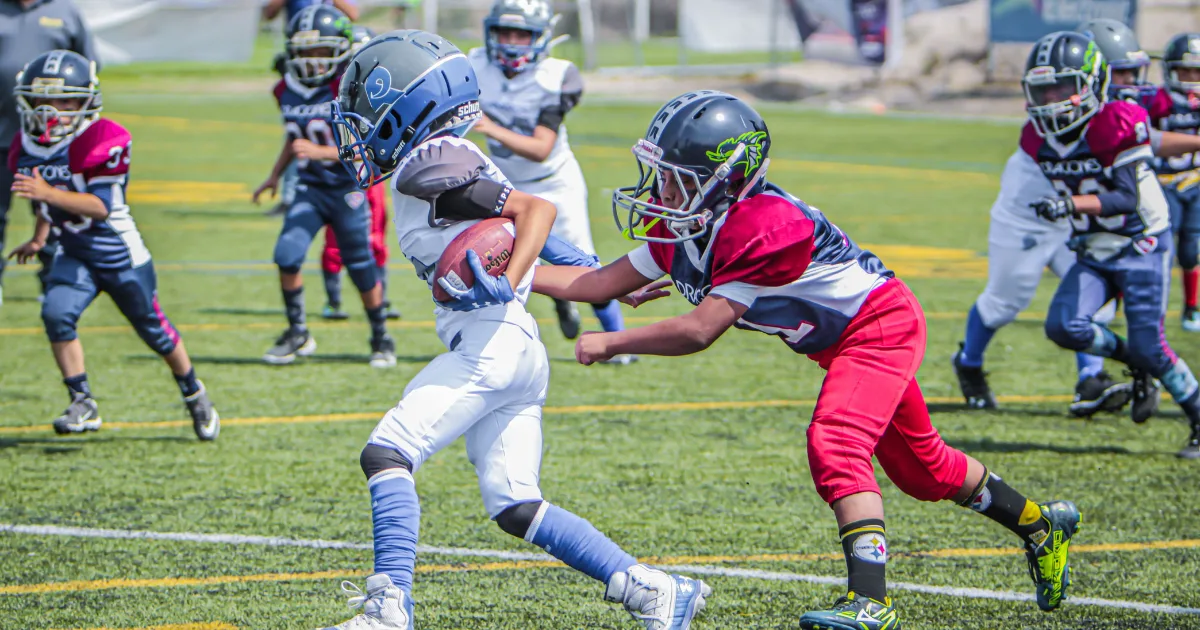
Table of Contents
Football team management is the work of organizing the people, plans, schedules, money, equipment, and communication needed to run a football team or league.
It's steady work, and it matters: more than 4.5 million youth athletes participate in organized football in the United States annually, making it one of the most popular team sports for kids. With effective team management, you can help your league be part of that and ensure your participants have a fun, and safe, season.
This article will explore the components of successful football team management and some of the challenges many organizers face. We aim to help you increase participation in youth football, find the right management style, and have a wonderful sports season.
Key takeaways
- Football team management includes the day-to-day work that keeps a youth football season organized, safe, and fun.
- Strong admin systems help with registration, budgeting, scheduling, facilities, equipment, and volunteer coordination.
- Coaches focus on practices and player development, while league admins usually handle the bigger operational details.
- Clear communication with parents, coaches, and volunteers can make the season feel smoother for everyone.
- Sports management tools can help keep websites, registration, payments, schedules, messages, donations, and background checks in one place.
What are the main components of football team management?
The main components of football team management are administration, budgeting, scheduling, facilities, coaching, player recruitment, training, development, equipment, and marketing.
Starting a youth football team and successfully managing all of those components can seem like a daunting task. The below checklist can help organize the most important tasks and break down each step.
Here’s a quick checklist you can use before the season starts:
- Set up registration and collect player information.
- Build a budget for equipment, facilities, insurance, travel, and admin costs.
- Create a season calendar for registration, practices, games, and events.
- Reserve fields and confirm facility rules, fees, and available support.
- Recruit coaches, assistant coaches, and volunteers.
- Plan equipment, uniforms, and field setup needs.
- Share updates with coaches, parents, players, and board members.
- Promote registration, sponsors, fundraisers, and league events.
Administration
Administration is the behind-the-scenes work that keeps your football league organized from registration through the final game. Who you hire as part of your youth sports administration can set your football league up for success. There are several important roles you need to consider as you get started.
Some of these roles include:
- Leadership
- Financial
- Marketing
- Training
- Strategy and growth
- Legal
- Event planning
While you don’t need someone from every department right when you start, you may need to look into working with consultants or contractors as you build and grow your new league.
A simple role breakdown can help everyone know where to jump in. League admins usually handle registration, budgets, schedules, facilities, and parent communication. Head coaches lead practices and games, assistant coaches help with drills and player support, and volunteers can help with events, concessions, fundraising, equipment, or game-day setup.
Budgeting and financial planning
Budgeting helps your football team or league decide what you can afford before the season gets busy. This matters even more if you hope to build out your administration with skilled individuals down the road.
Some of those include:
- Equipment
- Facility rental/maintenance
- Licensing and insurance
- Logo and branding
- Marketing
- Travel expenses
- Coaching and staff
- Administrative costs
However, there are ways to start generating revenue for your football club, and many sports leagues operate as non-profit organizations.
Some ways to start bringing in funds for your new football league include:
- Sponsorships: Offer local companies promotion in exchange for sponsorship fees. Your sponsorship can include website ad space, field banners, team sponsorships, and more.
- Fundraising: There are several ways to raise money for your football organization, such as running a car wash or bake sale, selling T-shirts and other merchandise, or hosting a single-day tournament.
- Registration fees: Once you're up and running, player registration fees will be a big help in covering facility and equipment costs.
- Camps or training sessions: You can consider running paid camps or training sessions for additional funds.
You can also see if coaches and other assistants will volunteer their time so you don’t have to factor their salaries into your budget. Most youth football coaches are volunteer-based, which can be a big help.
Scheduling
Scheduling keeps practices, games, meetings, registration dates, and facility time in one shared plan. Youth football is typically a fall sport, though many organizations also offer spring leagues and summer workshops or camps. With that in mind, you need to build a sports calendar that aligns with your team’s and facility's availability year after year.
While you won’t be able to create your full schedule until you’ve registered players and divided up teams, it's important to create a preliminary timeline so you know the required season-end dates, when registration needs to be completed, and when teams can begin practices.
Jersey Watch’s sports scheduling software can be a huge help when planning your upcoming season.
Easily schedule meetings with your board of directors, coaches, staff, and other key players. Share player registration dates so the information is publicly available and easy to find. Create team schedules once the season kicks off. And easily share all of this information on your football league website.
Facility and personnel management
Facility and personnel management means finding a safe place to play and understanding what support is available at that location. Unless you plan to open your own football facility for your youth sports organization, you'll need to find one you can rent during each of your planned seasons.
Look around for:
- School fields
- Parks
- Open fields
Get in touch with the school or city that manages the field to check in on their activity schedule. See if you can fit in running a full football season alongside their other planned events. Check in on their rental fees and see what facility personnel are available to you during your usage.
Coaching and volunteer selection
Coaching and volunteer selection helps make sure each team has the support it needs during practices, games, and events. To maximize practice time, each youth team should have a head coach and 1-2 assistant coaches.
Often, parents volunteer to coach their kids’ teams. However, if you’re looking to run a sports club rather than a volunteer-based team, you might want to consider hiring trained professionals to coach the kids.
Player recruitment and retention
Player recruitment and retention are about getting kids signed up and giving families a reason to come back next season. Much of this will come in the marketing phase detailed out below, but you can’t run a football team without players.
And more than that, you want to ensure your players (and their parents) have a good experience so that they want to continue signing up for your on- and off-season events.
Some retention ideas include:
- Having easy and transparent communication
- Being inclusive
- Facilitating opportunities for players and parents to get together
- Celebrating player achievements
- Offering a well-run program
- Using high-quality facilities
- Investing in the right technology to help streamline processes
Training and practice planning
Training and practice planning give coaches a clear way to help players learn, stay active, and enjoy the sport. While many youth players join simply to be active and enjoy a sport, others genuinely want to improve their skills as they may eventually want to play professional football. As a youth sports league, offering a little something for everyone is important.
With that in mind, you’ll want to think about your league’s training philosophy. Will you require coaches to undergo training to properly teach their players? Will you hire professional coaches? And how will you structure team practices so that every player gets as much out of it as possible?
Having the right training approach can help your league stand out when parents compare options. Keep this in mind as you plan.
Player development
Player development focuses on helping athletes build skills over time, not just show up for games. Think about how you'll facilitate that throughout the season.
You can do this by:
- Demonstrating the skill so players have a clear visual
- Using drills or activities that allow the players to practice the skill over and over again
- Providing feedback so the players can improve
Equipment and uniforms
Equipment and uniforms help players show up ready, protected, and part of the team. Some equipment players usually supply themselves (like shoulder pads, padded pants, and cleats), and other equipment your league should supply the players (like uniforms, matching helmets, and balls).
You'll also need to provide the necessary equipment for the field, such as field goals and paint for the markings, unless you're renting a facility used for football year-round.
This means you need to set aside enough of your budget to provide quality equipment, especially since helmets will need to be replaced after major impacts or damage.
Marketing
Marketing helps families, sponsors, and community members learn about your football program. After all, you need to spread the word to increase participation, generate sponsors, and keep your league going year after year.
Some key marketing tactics include:
- Creating a league website
- Promoting your league on social media
- Building an email list
- Holding fundraising and registration events
- Securing local sponsors
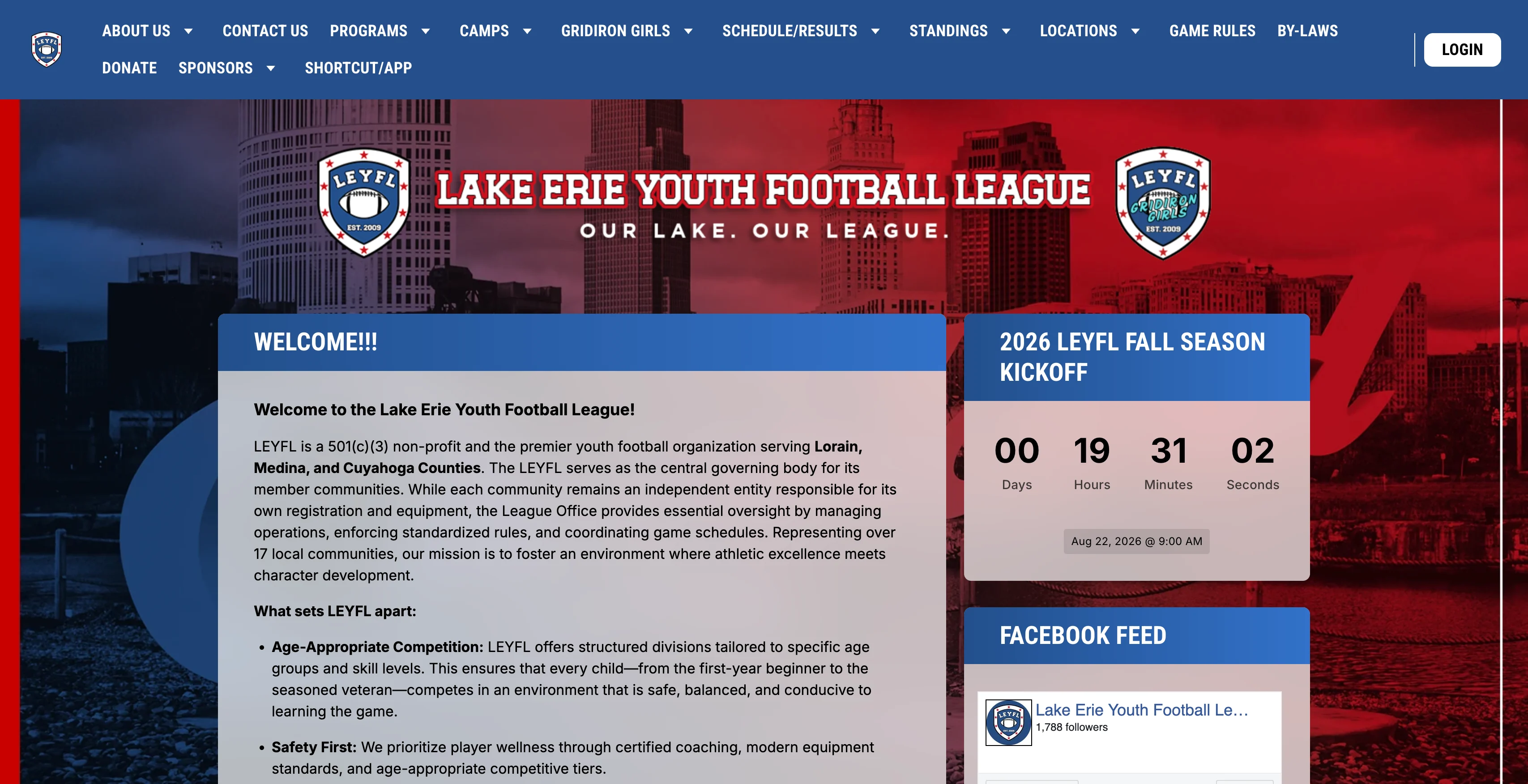
A youth football league website created using Jersey Watch's website builder
What are the biggest challenges in youth football management?
Youth football management is challenging because a single person or board often has to juggle budgets, personnel, facilities, communication, and marketing simultaneously.
This can look like:
- Balancing multiple responsibilities: If you’ve taken on a general manager role for your league, you might have many of these responsibilities fall on your shoulders. However, delegating to other team members or bringing in help where you can is always a good idea.
- Staying within budget: You can’t spend money you don’t have. This may mean you aren’t able to rent the best field in the area but staying within budget helps you keep money available for other important equipment.
- Getting money for the team: Raising funds is just as important as maintaining your budget. Use fundraising strategies that fit your community to cover equipment, facilities, and more.
- Marketing the team: You also need to market your new league. While you might know a lot about football, marketing takes a different skill set. Getting the word out helps you reach as many kids who want to play football as possible.
How can technology help with football team management?
Technology can help centralize registration, scheduling, communication, donations, and background checks so admin are not chasing details in five different places.
The best technology is the one built for sports. Jersey Watch is sports management software made for volunteers that offers several features designed to make running a youth sports league as manageable as possible.
Here are a few ways Jersey Watch makes running a football league easier:
- You can create your own football website to share key details like registration dates, what players and parents can expect, location, and other important information.
- Build out your online registration forms (plus the ability to accept registration fees and additional donations) to easily register new players and store their data online.
- Send out league-wide announcements and communication to ensure all coaches, players, parents, and other personnel are all on the same page.
- Easily create game and other event schedules and share them with all participants. You can even share up-to-date game results and standings for all participants to track.
- Run background checks on all potential volunteers to make sure everyone is properly vetted before they begin working with your players.
Jersey Watch is a practical way to streamline your football team management and get your new league up and running.
How can Jersey Watch help your football league this season?
Now you know exactly what it takes to start and run your own youth football league. From getting started with the right administration to marketing, there are many roles and responsibilities involved. But working with the right people and using the right tools can be a huge help.
Get started for free by creating your Jersey Watch account and start simplifying football team management today.
FAQs
What is team management in football?
Team management in football is the work of organizing people, schedules, budgets, communication, and player experience for a team or league. This includes administrative tasks, game and event scheduling, player recruitment, practice planning, and more. For youth football, it often also includes coordinating coaches, volunteers, facilities, equipment, registration, and parent updates.
What does a manager of a football team do?
A football team manager keeps the operational side of the team or league running smoothly. They handle facility rentals and maintenance, game scheduling, team creation, and other key operational tasks. In a youth league, the manager may also help coordinate volunteers, collect registration details, share parent updates, and make sure coaches have what they need.
How do you start a football team?
To start a football team, begin by choosing your team or league structure, building a simple brand, and finding coaches and volunteers. Then generate interest for your new team and start registering players. You’ll also need a budget, field access, equipment, uniforms, insurance or licensing needs, and a clear way to communicate with families.
How do you organize a football team for a season?
To organize a football team for a season, start with the major dates: registration, practices, games, fundraisers, and the season end date. Next, confirm your budget, reserve fields, recruit coaches and volunteers, and collect player information. Once the season begins, keep families updated with schedules, reminders, and any changes that come up along the way.
What is the difference between a football coach and a football team manager?
A football coach usually focuses on practices, games, skills, drills, and player development. A football team manager usually focuses on operations such as scheduling, communication, registration, volunteer management, facilities, and equipment. In many youth leagues, volunteers may share these duties, so it helps to define roles before the season starts.
What is the best football team management app?
The best football team management app is one that helps with the tasks your league handles every week, such as registration, payments, communication, scheduling, and volunteer coordination. Jersey Watch supports youth football organizations with websites, online registration, communication, scheduling, donations, and background checks. That can help your team spend less time chasing paperwork and more time getting ready for the season.

Courtney CalvoCustomer Care Team Lead
Courtney Calvo is the Customer Care Team Lead at Jersey Watch, where she helps youth sports organizations get started with registration, websites, and league management tools. She brings both professional expertise supporting leagues and firsthand experience as the parent of a youth soccer player.


